How Often to Replace a Dental Bridge and How to Extend Its Lifespan
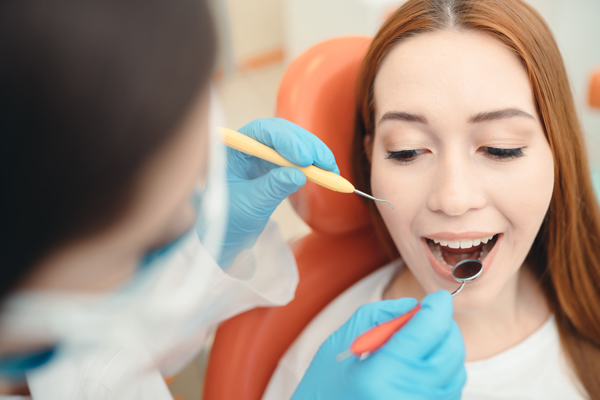
A dental bridge can replace missing teeth, restore chewing support, and help keep the smile balanced. This restoration uses crowns and artificial teeth to fill a gap and usually attaches to nearby natural teeth or dental implants for support. While timelines can vary, partnering with our dentist can help extend your bridge's lifespan.
How long can dental bridges last?
The lifespan of dental bridges depends on the material, oral hygiene habits, bite pressure, and the health of the supporting teeth or implants. According to the Cleveland Clinic, bridges last several years, between five and 15, and some continue functioning longer with consistent care. However, the restoration does not last forever because daily chewing, plaque buildup, and changes in the mouth can affect its fit over time.
A dentist checks the bridge during regular biannual exams to make sure it remains secure and comfortable. They will also inspect the supporting teeth because they help hold the restoration in place and provide a stronger foundation. Early treatment for small concerns can help prevent more serious damage.
Signs that a dental bridge may need replacement
A dental bridge may need replacement if it feels loose, causes discomfort, or no longer fits the bite correctly. Additionally, cracks, chips, worn porcelain, or changes in the gumline can also affect appearance and function. Since these signs are not always visible, a common indicator is food getting trapped more often around the bridge, which may point to a gap, a rough edge, or a shifting fit.
Decay near the supporting teeth is another reason a dentist may recommend replacing the restoration. Even though the artificial tooth cannot get a cavity, the natural teeth beneath or beside the bridge still can. The area can also develop gum inflammation, bad breath, or sensitivity. As mentioned, regular exams help the dentist decide whether repair or replacement is the most effective solution.
Daily habits that help dental bridges last
Good home care plays a major role in protecting a dental bridge. Brushing twice a day helps remove plaque from the teeth, gums, and the edges of restorations. Flossing around and under the bridge is also important because food and bacteria can collect in spaces a toothbrush cannot reach. Helpful cleaning tools may include:
- Floss threaders. Cleans beneath the artificial tooth.
- Interdental brushes. Cleans tight spaces around the bridge.
- Water flosser. Removes debris and plaque near the gumline.
These tools can make daily care easier and more effective. A dentist or hygienist can show which method fits the patient's bridge design. Keeping the gums healthy helps the restoration stay comfortable and stable.
Food choices to avoid with dental bridges
A dental bridge is strong, but it can still chip, loosen, or wear down under too much pressure. Chewing ice, hard candy, pens, or other hard objects can place unnecessary stress on the restoration. Additionally, sticky foods may also pull at the bridge and affect the cement or attachments that help hold it in place. A dentist can provide not only a mouth-healthy diet to help protect the restoration but also one that promotes optimal oral health.
Call us for more information
Dental bridges can last for many years when daily hygiene, smart eating habits, and regular dental visits support their care. However, they do not last forever and require proper care both from you and a professional. Call our office for more information or to schedule an appointment.
Request an appointment here: https://www.sammamishdentalcenter.com or call Sammamish Dental Center at (425) 340-3113 for an appointment in our Issaquah office.
Check out what others are saying about our dental services on Yelp: Dental Bridges in Issaquah, WA.
Related Posts
A dental bridge is a tooth replacement option that does not require incisions to be made into the gums. However, there are many different types of dental bridges, and finding the perfect one can feel overwhelming. While your dentist will usually recommend what they think is best, it can be helpful to know the available…
A dental bridge is a reliable and effective solution for replacing a single missing tooth. Losing a tooth can impact a smile's functionality and appearance, but this treatment restores those elements with ease. A dental bridge enhances oral health and confidence by filling the gap left by a missing tooth.A dental bridge replaces a missing…
Losing a tooth can affect more than just your smile; it can also impact how you eat, speak, and maintain oral health. Dental bridges are a popular and effective solution for filling gaps left by missing teeth. By understanding the different types of dental bridges, you can work with a general dentist to find the…
The right dental bridge can help you regain your self-esteem and dental function. But it can be challenging to determine which will help you the most. Your dentist can assist you by explaining each type. Here are the factors you should consider when choosing the most suitable dental bridge for your needs.The patient can choose…